



When it comes to woodworking and construction projects, choosing the right material is crucial. Plywood and blockboard are two popular engineered wood options, each with its own advantages and best-use cases. Let’s delve into the key differences to help you make an informed decision.
What is Plywood?
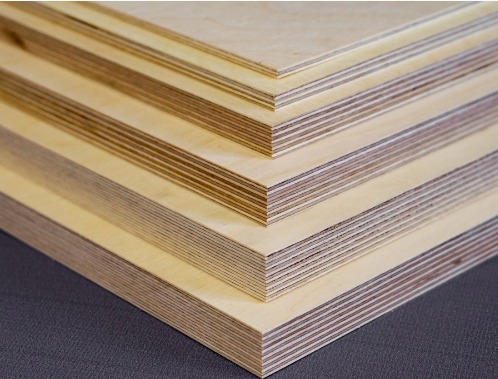
Plywood is made by gluing together thin layers of wood veneer with the grain direction alternating at 90 degrees in each layer. This cross-graining technique significantly enhances strength, stability, and resistance to warping.
Pros of Plywood:
Strength: Excellent for structural applications due to its high load-bearing capacity.
Stability: Less prone to warping, expanding, or contracting due to humidity changes.
Versatility: Available in various thicknesses and grades, making it suitable for diverse projects.
Moisture Resistance: Specific grades like Marine Plywood or BWP (Boiling Water Proof) are ideal for humid environments.
Cons of Plywood:
Cost: Generally more expensive than blockboard.
Edge Treatment: Exposed edges need to be finished or covered to prevent splintering.
Heavier: Can be cumbersome to work with for large projects.
What is Blockboard?
Blockboard consists of a core made of softwood strips placed edge-to-edge, sandwiched between two layers of veneer. This structure provides a lightweight yet sturdy board.
Pros of Blockboard:
Lightweight: Easier to handle and transport than plywood.
Smooth Surface: Offers a good base for laminates and veneers.
Dimensional Stability: Less likely to crack or split compared to solid wood.
Cost-Effective: Typically more affordable than plywood.
Cons of Blockboard:
Less Strength: Not as strong as plywood, making it less suitable for heavy-duty applications.
Moisture Sensitivity: More prone to absorbing moisture and warping compared to plywood.
Limited Thickness: Available in a narrower range of thicknesses than plywood.
Choosing the Right Material
The best choice between plywood and blockboard depends entirely on your specific project requirements:
Structural Applications: If strength and stability are paramount, choose plywood.
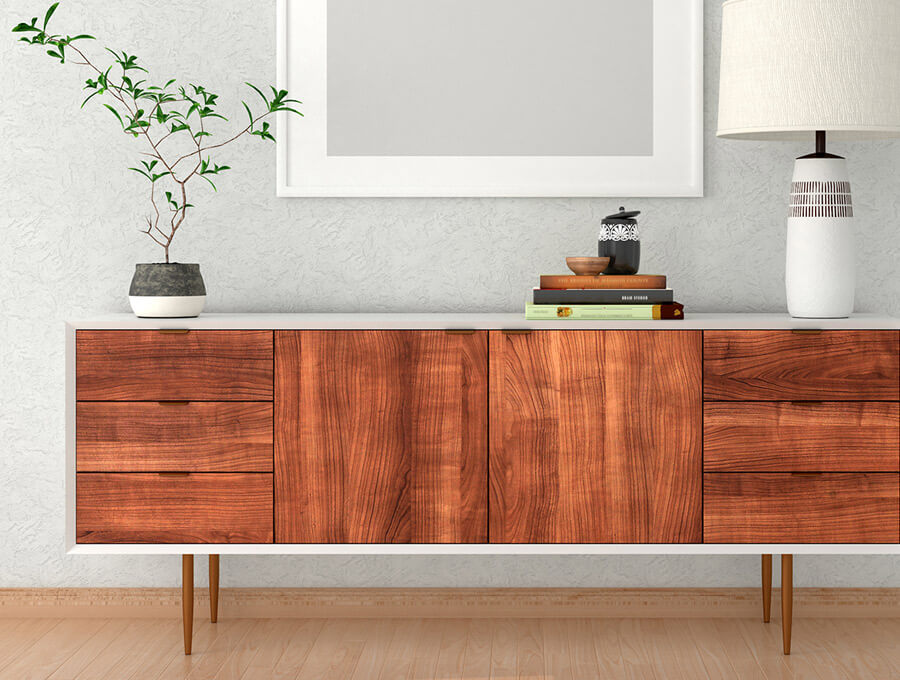
Furniture: Both materials can be used, but plywood is preferred for load-bearing components like shelves or tabletops.
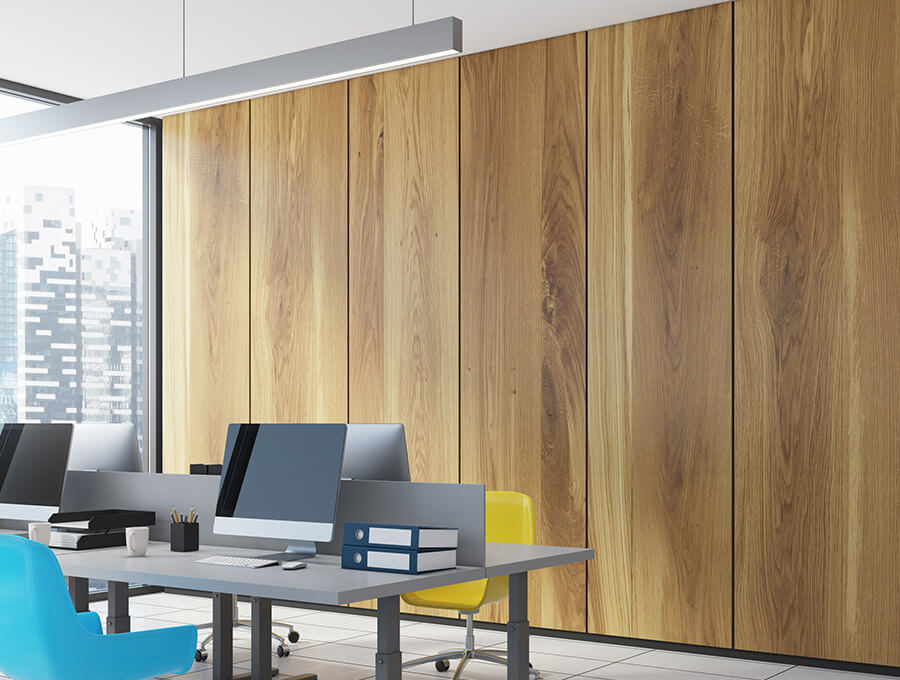
Interior Doors and Panels: Blockboard is a popular choice due to its lightweight nature and smooth surface.
Moisture-Prone Areas: Opt for marine-grade plywood or BWP plywood for bathrooms, kitchens, or outdoor projects.
Budget Constraints: If cost is a factor, blockboard can be a more economical option.
Need Expert Advice?
If you’re still unsure which material suits your needs best, visit us at Ganesh Plywood Center. Our experts can guide you through the selection process, helping you choose the perfect plywood or blockboard for your project.
Ganesh Plywood Center: Your One-Stop Shop for Quality PlyWood Products
At Ganesh Plywood Center, we offer a wide range of plywood and blockboard options to cater to all your woodworking needs. Visit our store or browse our website, ganeshplywoodcenter.com, to explore our extensive collection and find the ideal materials for your next project.