

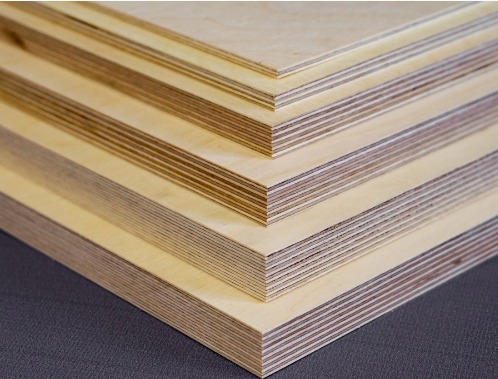
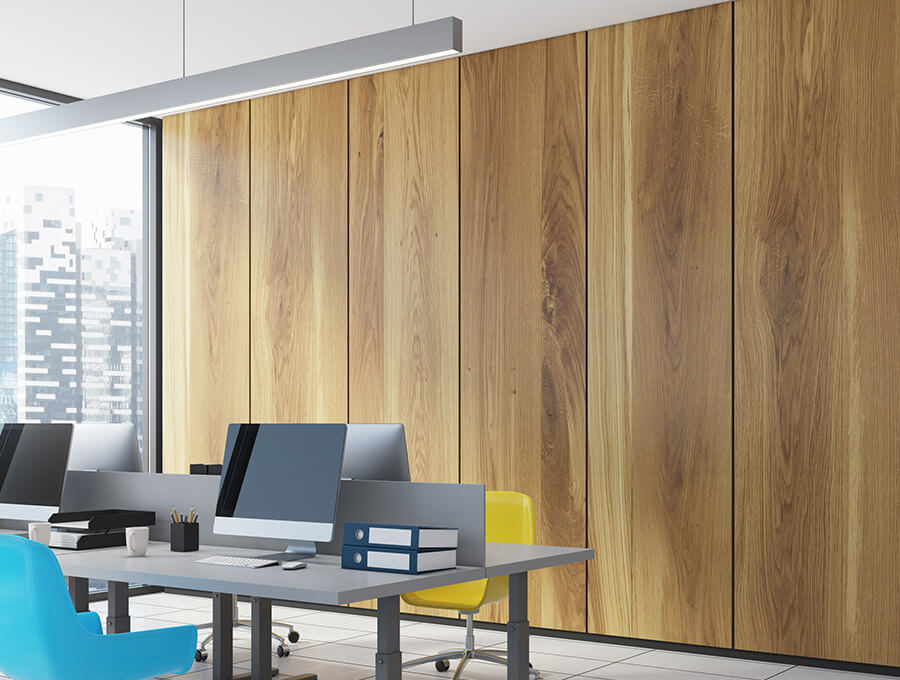
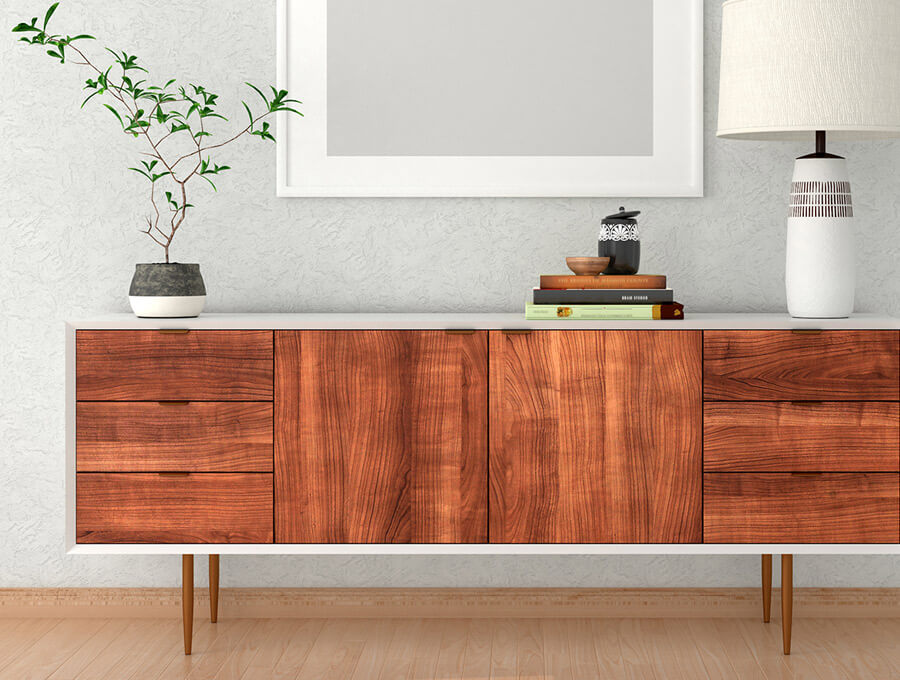


Are you looking for an inexpensive, long-lasting material that can help you bring your ideas to life? Think of Ganesh Plywood Center. Strong and adaptable, plywood is frequently used for flooring, walls, furniture, cabinets, and many other applications. Because of its multi-ply design, which offers it strength, longevity, and versatility, it may be utilized in a variety of settings.
However, a little expertise from Plywood Showroom in Ahmedabad goes a long way in producing professional-quality plywood products. Producing items is enjoyable and efficient when the guidelines are followed.
Selecting the Correct Kind of Plywood
Understanding that different plywoods have different qualities is crucial. Depending on the nature of your project, you could require a certain kind. The following are a few typical kinds:
- Softwood:
It works particularly well for structural components like floors and walls.
- Hardwood:
Strong and finely textured, it’s perfect for cabinetry, doors, and furniture.
- Marine:
Because it’s waterproof, it’s perfect for outdoor applications and may be used to make crafts like birdhouses.
- Specialty:
For certain uses, others are well suited because they are pressure-treated or fire-resistant.
Methods of Cutting for Sharp Edges
Because the veneer’s individual layers are so thin, they might shatter or chip, making sawing plywood a challenging task. To get smoother borders, use these methods:
- Calculate the Cut Line:
Lastly, make a line on the cloth and cut it shallowly using a utility knife. This helps to reduce splintering on the veneer of the face.
- Select the Proper Blade:
The ideal saw blade is one with many teeth, such as one made of plywood or laminate. The best blade to choose is one with 60–80 teeth, which indicates a fine cut.
- Use masking tape.
Another way to stop splinters from showing up is to apply masking tape along the cut line. Don’t forget to apply pressure on the tape for optimal results.
- Cut so that the positive side is down:
A circular saw will drag the wood up with it, leaving a tear-out on top, therefore it is best to cut with the good side down.
How to Avoid Bowing and Warping
When kept improperly, plywood can crack, warp, or bow. To maintain it straight, follow these steps:
- Storage Flat:
Whenever feasible, stack plywood sheets in a level area, ideally on raisers, to prevent moisture buildup. Make them almost vertical if they must be learned.
- Become used to the environment:
It’s best to let plywood acclimate in the space for 24 to 48 hours before cutting or using it for a project. After installation from Plywood Supplier in Ahmedabad, this lessens the chance of expansion or contraction.
- Seal on all sides.
Sealing plywood on all sides, including the edges, prevents moisture entry and the resulting deformation when it comes into touch with water.
Striking a Professional Edge
In certain situations, the look of sawn edges—which resemble raw plywood—may not be acceptable. This is how you deal with it:
- Banding the edges:
To match the plywood used, apply glue back veneer edge banding. They provide surfaces with a glossy appearance and are simple to apply with an iron.
- Edges of solid wood:
Gluing thin hardwood boards to the plywood’s edges is a far more efficient technique. In addition to requiring more careful cutting and gluing, this should produce a prettier result.
- Trim With Care:
To create neat and smooth edges, use a sharp utility knife or trimmer to cut the edge banding material after application.
Conclusion
Finally, with the correct procedures, dealing with panel plywood is easy. Select the appropriate kind, cut with care, store appropriately, and use screws for stability. Finish with a protective coating, add edge banding, and sand for smoothness. These simple suggestions will make your project look fantastic and endure longer.
One of leading Plywood Supplier in Ahmedabad, Ganesh Plywood Center has established a solid reputation as a reliable source for all of your plywood requirements in the immediate area.